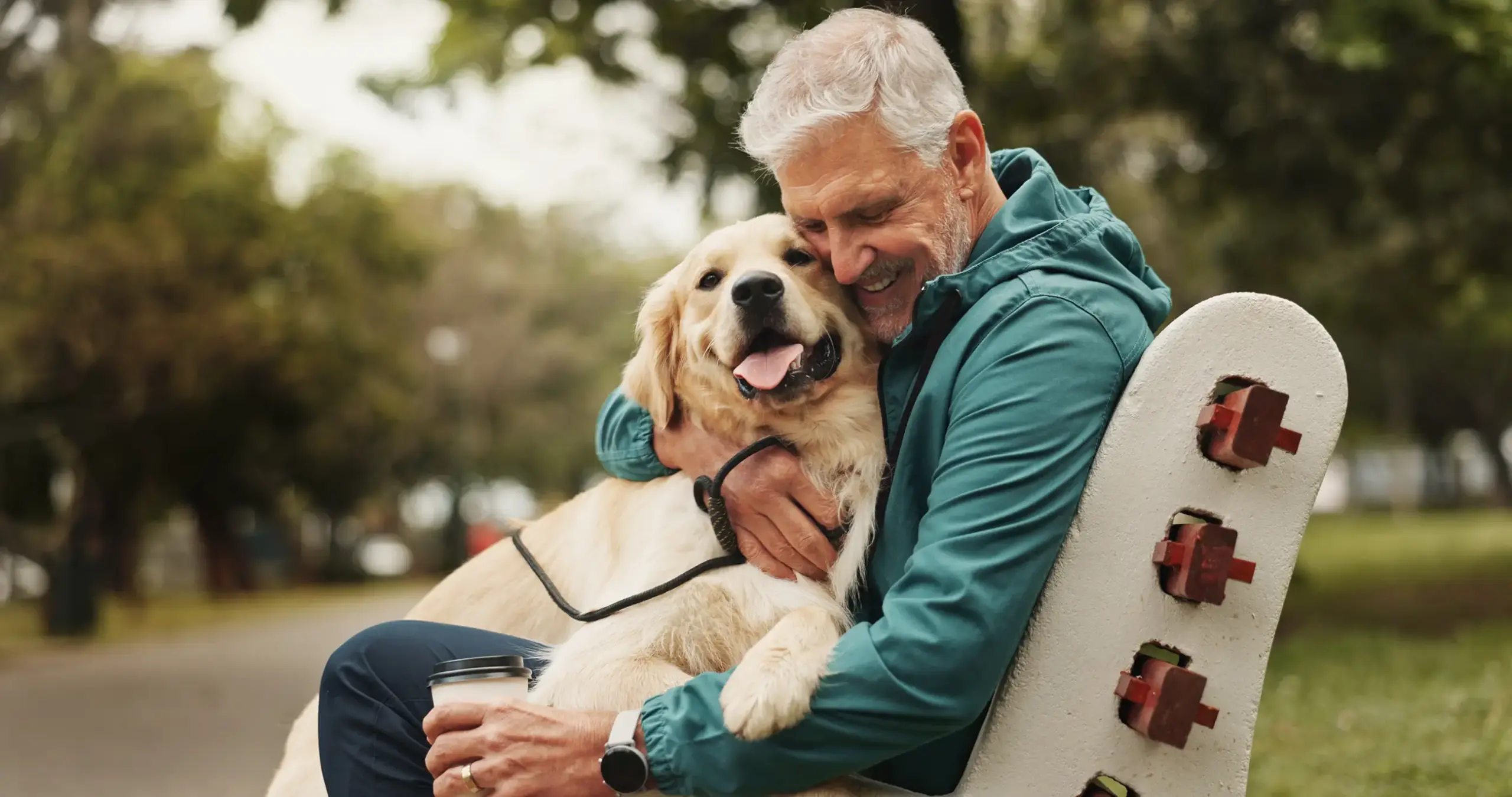
My Pet is Home, Now What? 5 Steps to Help Your Dog or Cat Adjust to a New Country
The flight is over. The reunion at the airport was emotional. But now you are in a new house, in a new country, and your pet is acting… differently.
Just like humans suffer from jet lag and culture shock, pets experience “relocation stress.” The smells, water, climate, and sounds are all new. Here is how to navigate the first 48 hours to help them settle in.
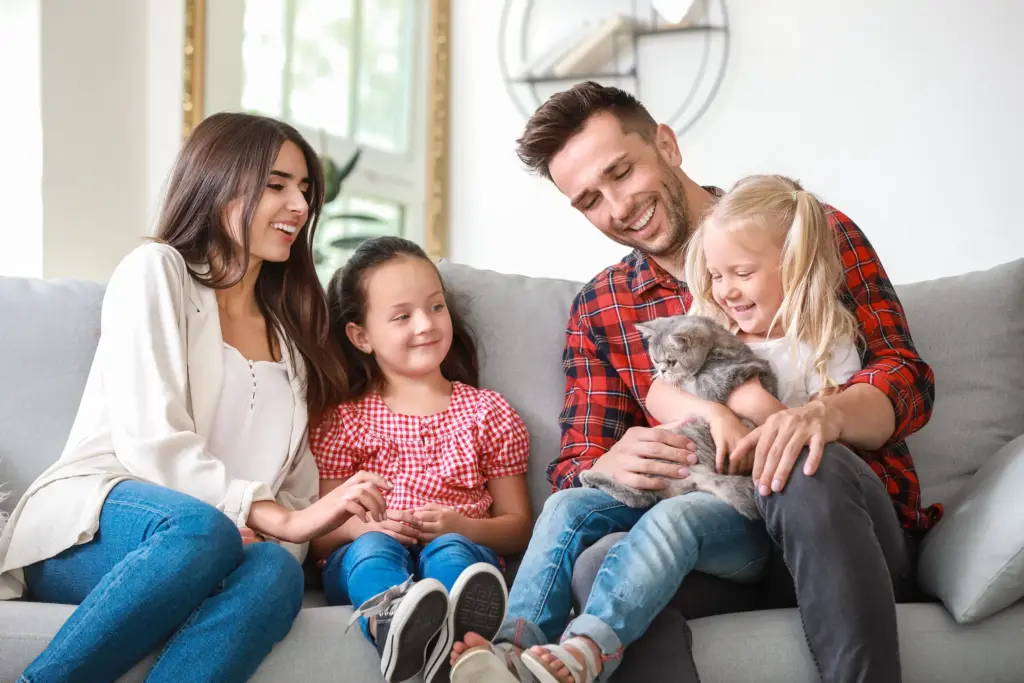
Happy family with cute cat resting at home
-
The “Safe Room” Strategy (Crucial for Cats)
When you arrive at your new residence, do not give your pet free reign of the entire house immediately. This can be overwhelming.
- For Cats: This is non-negotiable. Confine them to one quiet room (like a bedroom) with their litter box, food, and bed for the first 2-3 days. If let loose immediately, a scared cat may find a hiding spot inside a wall void or run out an open door.
- For Dogs: Keep them on a leash as you walk them through the new house and garden. Show them the boundaries. Then, settle them in a designated quiet area.
-
Restore the Routine Immediately
Your pet has lost their sense of time. You need to reset their internal clock by mimicking their old routine instantly.
- Feeding: Feed them at the same time you did at home (adjusted to local time).
- Walking: If you always walked at 7:00 AM, walk at 7:00 AM here.
- Consistency: Routine signals safety to an animal.
-
Managing Appetite Loss (When to Worry)
It is very common for pets to refuse food for the first 24 hours after a flight due to stress.
- The Trick: Make the food irresistible. Mix in a little warm water, low-sodium chicken broth, or plain boiled chicken to encourage eating.
- The Warning:
- Dogs: Can safely skip a meal or two. If they haven’t eaten in 48 hours, see a vet.
- Cats: It is dangerous for cats to fast. If your cat has not eaten anything for 24 hours, consult a vet immediately to prevent liver complications (Hepatic Lipidosis).
-
Water and Stomach Upsets
The tap water in your new country may have different mineral content or bacteria than your pet is used to, which can cause diarrhoea.
Pro Tip: For the first week, give your pet bottled water, then slowly mix in the local tap water over several days to let their gut bacteria adjust.
-
Be Careful With the New Garden
Before you let your dog run free in your new garden, do a safety sweep:
- Security: Check fences for gaps. A stressed dog is a flight risk and may try to escape to “find home.”
- Pests: In countries like Australia or warmer climates, check for snakes, spiders, or toxic plants (like Sago Palms) that your pet won’t recognise as dangerous.
-
Update Microchips and Tags
This is often forgotten! Your pet’s microchip likely still has your old address or phone number.
- Task: Register the microchip in the local national database immediately.
- Task: Get a temporary ID tag engraved with your new local mobile number and attach it to their collar immediately.
Still planning your move? Ensure your paperwork is perfect to avoid quarantine delays. -> Contact us.